The following mediation is by Dr. Michael B. Brown, former senior minister at Marble Collegiate Church in New York City.
“Two men looked out from prison bars. One saw the mud. The other, stars.” (Dale Carnegie)
We’ve all been told time and time again that life is 10% circumstance and 90% perspective. I’m not sure the stats are that dramatic, but it’s probably close. We hear it all the time: “It is what it is.” Life happens. It’s how we interpret it that makes the difference between happiness and hopelessness.
Jesus told a fascinating parable about how we see things (Matthew 23:24-43). The owner of a field and one of his chief servants were standing side-by-side looking through the same window at the same plot of ground. The servant was alarmed, pointing out that an enemy of the farmer had come and sowed weeds in the wheatfield. There were weeds were everywhere. Might as well just set fire to the whole acreage. The owner, however, replied that if his servant would take a closer look, he would also see wheat growing in the field alongside the weeds. HIs advice was to wait till the day of harvest, gather the wheat, and then burn the weeds. One saw a disaster. The other saw a harvest. Two men looked out from prison bars. One saw the mud. The other, stars.
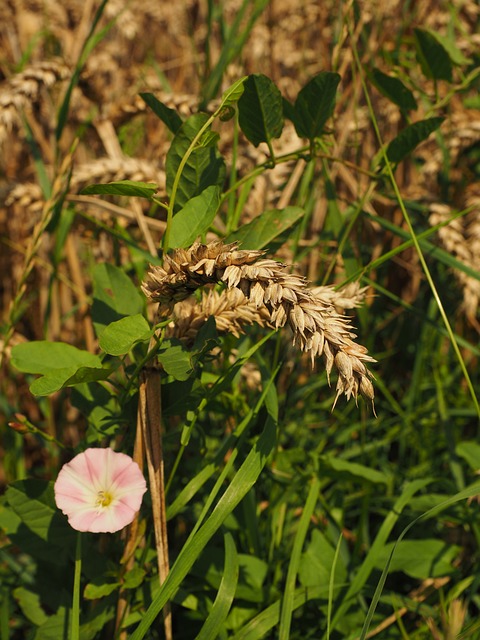
Fred Craddock was asked what gift he would give to each of his children if he could give them only one. He immediately replied: “That’s easy. I would give them the gift of a grateful heart because that will determine how they experience everything else in life.” There are weeds in every field, if that’s where we decide to focus.
- No person is perfect. You may recall the story of a husband and wife driving home from church one Sunday. The minister had preached on the text, “Be ye perfect, even as God is perfect.” The husband said to his wife: “I wonder how many perfect people there actually are in the world.” She answered: “One less than you think!” No person is perfect, but they (we) always exist alongside the assurance of grace.
- No job is perfect. There will be bumps and bruises, but they always exist alongside the reality of senses of accomplishment, purpose, fulfillment, and personal pride.
- No marriage is perfect. But husbands and wives always exist alongside the vows “to love and to cherish” even in spite of the wheat of “ in sickness and in health, for richer or poorer.”
- No church is perfect, but every church exists alongside the biblical truth that “we have this treasure in clay pots” (II Corinthians 4:7), and though imperfect, they are still holy. In every church I’ve ever served there were saints—not sinless people, but good and decent and faithful people who made the world a better place.
We could go on and on with this, but you get the point. Life happens. It’s how we interpret it that makes the difference between happiness and hopelessness. Craddock was right—A grateful heart will determine how we experience everything else in life.
I often encourage people to create A Thanksgiving Journal. That’s simply a book or notepad which you put next to your bed. Every night before the lights are turned off, write down one good thing you experienced or witnessed that day. Admittedly, it may have been a long, tiring, or difficult day. Even so, there is always at least one blessing we can recall. Write it down. Then write down another the next night, and another the next. On the final night of every month, read aloud the entries from your journal. Doing so will remind us that when we pay attention, we will always discover blessings. In time, that practice will create within us spirits of gratitude which will determine how we experience life itself. It will help us, in spite of the weeds, to see the wheat and celebrate it.
Joy,
 Nurture Faith with Dr. Doug Hood