“Let go of anger and leave rage behind! Don’t get upset—it will only lead to evil.”
Psalm 37:8 (Common English Bible)
“No man can think clearly when his fists are clenched,” writes George Jean Nathan.[i] We need to reach no further than personal experience to accept the truth of those words. Anger destabilizes and diminishes our capacity to make sound judgments. Chances are strong that many of the worst choices you’ve ever made occurred in moments of anger. Family disagreements result in family estrangements. Differences in political ideology result in poorly spoken words that magnify simple differences into vitriol—even cruelty toward another. Bad behavior flows from hearts that we once never imagined had such capacity. Anger becomes a palatable emotion that gathers strength unto itself as a tropical storm organizes into the destructive force of a hurricane. The teacher of the Psalms is correct—anger that isn’t released in a healthy manner leads to evil.
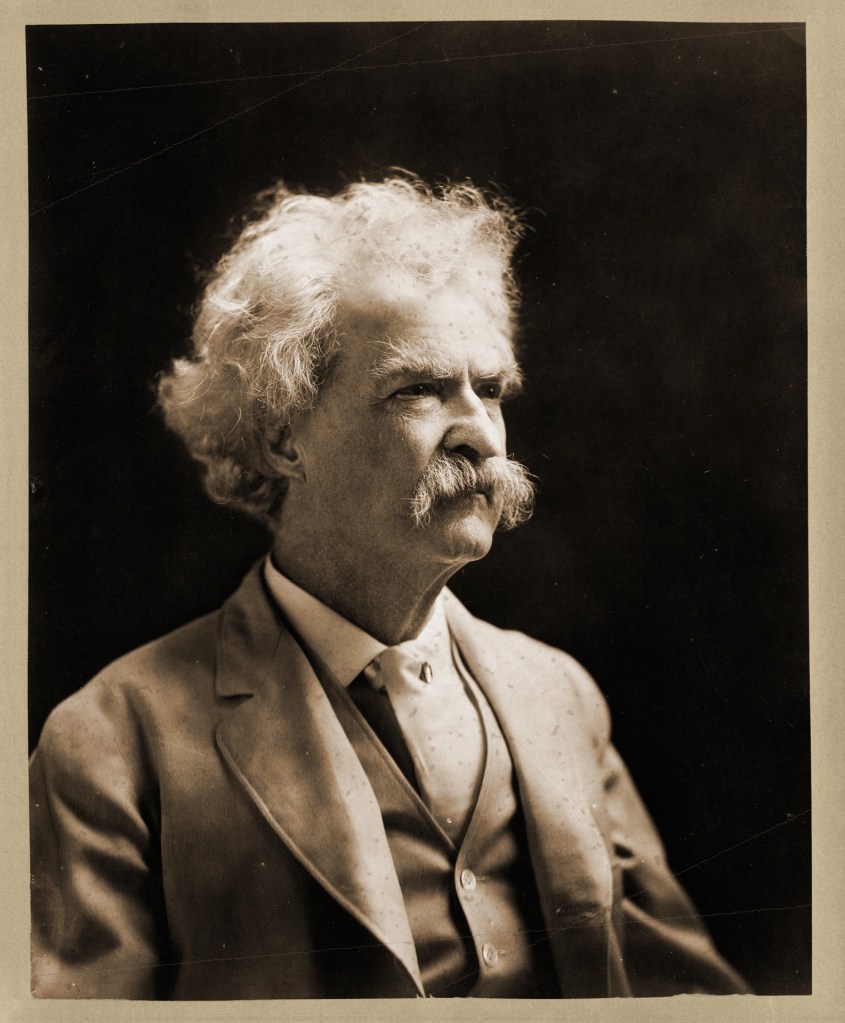
Here in Psalm 37, the people of God are angry. The source of the anger are people experiencing success though they do not honor God; do not follow the way of the Lord. It is a spiritual predicament very present today. When keeping the faith becomes difficult and honoring God requires a level of discipline and restraint and personal sacrifice, others ignore God and advance, even prosper in all their endeavors. Fairness seems absent. The result is a stumbling into frustration and destructive anger. We are bewildered by the incongruence of the equation of life: the faithful struggle and the faithless thrive. Mark Twain’s words are instructive, “Anger is an acid that can do more harm to the vessel in which it is stored than to anything on which it is poured.”[ii] What is unfortunate, argues Travis Bradberry, is that this knowledge is rarely enough to help people keep their anger in check.[iii]
The teacher in this Psalm is asking God’s people to place their frustration and anger into God’s hands. After all, God’s hands have been shown again and again to be really good hands. These are the hands that separated the sea for Israel to pass through when they were pursued by the armies of Egypt. These are the hands that fed Israel for forty years in the wilderness. These are the hands that continue to direct the people in the way of faith and obedience. Our hands are insufficient, certainly not sufficient for such a range of volatile emotions. Such provocation results in a mood that is unpleasant, uncertain, and destructive. The teacher knows that. So, the teacher urges that we do not allow anger to overtake us but to wait for what the Lord will finally do. Here is a lesson that Israel will learn again and again.

Psalm 37 invites the people of God to another way. It is finally the way of trust in God. Then, we are persuaded to hold to this other way—to clench this other way rather than to clench anger. Certainly, there will be moments when we will seek to take back into our own hands the anger stirred by injustice and hatred in this broken world. These will be moments when we fool ourselves into believing we would be better stewards of what is just and right than God. God’s hands are even large enough for such foolishness. And they are patient hands. Waiting for us to discover again that such anger in our hands become an irritant to our own sense of well-being. It is then that the great teacher asks us once again to hand the anger back to God. Once we are clear that this is where it belongs, we become less worrisome and more expectant of the wonder that God will reveal.
Joy,
[i] Mark Goulston and Philip Goldberg, Get Out of Your Own Way: Practical Lessons for Conquering Procrastination, Fear, Envy, Neediness, Guilt, and More. (A TarcherPerigee Book: New York, New York, 1996) 25.
[ii] Travis Bradberry, Emotional Intelligence Habits: Change Your Habits, Change Your Life. (TalentSmartEQ: San Diego, 2023) 157.
[iii] IBID, 157.

 Nurture Faith with Dr. Doug Hood