The following meditation was written by Dr. Doug Hood’s son, Rev. Nathanael Hood, pastor at First Presbyterian Church of Junction City, Kansas.
Early in the morning as Jesus was returning to the city, he was hungry. He saw a fig tree along the road, but when he came to it, he found nothing except leaves. Then he said to it, “You’ll never again bear fruit!” The fig tree dried up at once. When the disciples saw it, they were amazed. “How did the fig tree dry up so fast?” they asked. Jesus responded, “I assure you that if you have faith and don’t doubt, you will not only do what was done to the fig tree. You will even say to this mountain, ‘Be lifted up and thrown into the lake.’ And it will happen. If you have faith, you will receive whatever you pray for.” Matthew 21:18-22 (Common English Bible)
In all the New Testament, few incidents are more famous than the time that Jesus Christ threw a group of money changers out of the Temple in Jerusalem. He’s so enraged by the sight of money changers and merchants selling animals for sacrifices that he flips over their tables and calls them crooks! The Gospel of Matthew goes on to describe that after turning the money changers out, Jesus started to heal those blind and lame people already there in the Temple, and yet in the face of these miracles, the Temple priests still challenge him and his authority! I don’t know about you, but I understand Jesus’ anger in that moment—how willfully ignorant must the Jewish authorities have been to witness literal miracles and yet still question the man performing them!
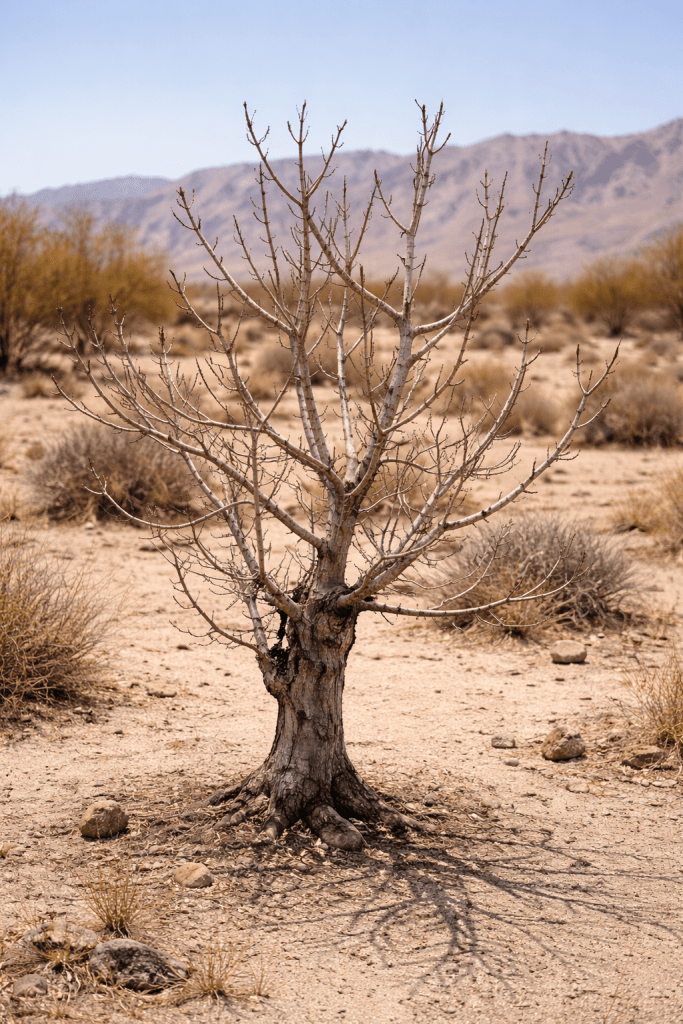
Yet Jesus’ anger doesn’t end there. Even after spending a night in the nearby city of Bethany to cool off, Jesus was apparently still in a fiery enough mood the next day that when he encountered a barren fig tree along the road back to Jerusalem he cursed it, causing the tree to dry up and die. His disciples, the men who had seen him heal the sick, raise the dead, and feed the multitudes, were amazed! How did that fig tree dry up so fast, they asked their master in bewilderment. To this, Jesus answered, “I assure you that if you have faith and don’t doubt, you will not only do what was done to the fig tree. You will even say to this mountain, ‘Be lifted up and thrown into the lake.’ And it will happen. If you have faith, you will receive whatever you pray for.” These are wise words about the effectiveness of prayer and faith, but it’s important to note Jesus’ temperament during this lesson, for it proves an important point about when Jesus wants us to pray—that being when we’re angry.
See, this text is somewhat controversial among biblical scholars and people who are just starting out on their journey through scripture because it’s one of the only times—if not the only time—that Jesus does something destructive in the Bible. Strange, this, am I right? Now, commentators throughout church history have struggled to explain this bizarre event as somehow being symbolic. Perhaps. But I think it’s important not to ignore the surface of this text which is that, quite simply, Jesus was hungry and, not finding figs on a fig tree, got angry. We tend to shy away from expressions of anger in our society, particularly in holy places, but in this text we see God not just getting angry but acting upon said anger and then, presumably while still angry, discoursing about prayer. I think the simple lesson here is that anger is not incompatible with prayer. On the contrary, I believe that this passage illustrates that it’s precisely when we’re the most angry that we most need to communicate with God.
Why is that? Well, ask yourself what is anger, when you get right down to it? It’s an assertion, a demand to be heard. Anger disrupts, anger gets peoples’ attention, anger gets things done—maybe not always the right things, maybe not always the godly things, but it gets things done nevertheless. Remember—God is no stranger to anger. God spoke words of great fire and fury through the ancient prophets in the face of societal corruption and evil. God violently routed enemy armies and doomed God’s own kings for their wickedness. God gets angry! So it’s okay for us to get angry as well! Indeed, God demands our anger in the face of evil and injustice. What matters is how we use that anger. Do we let it consume us, hurt others, and destroy? No, may we instead take our anger and offer it to God, asking our Father in heaven how best to use it for his purposes, for his designs, for his justice.
Joy,
 Nurture Faith with Dr. Doug Hood