“Early in the morning, well before sunrise, Jesus rose and went to a deserted place where he could be alone in prayer.”
Mark 1:35 (Common English Bible)
My grandmother kept a large, white, faux leather cover Bible prominently in her home—usually on a coffee table, though she would occasionally move it about her home as though it was a traveling exhibit. Embossed into the cover was a full-color picture of Jesus kneeling by a great rock in the wilderness. Each time my eyes fell upon that Bible, I felt as though it was a call to prayer. The face of Jesus was not anxious, not desperate as my own on those occasions I did pray. His face portrayed confidence; a radiance one has in the company of loved ones who care deeply about us. Absent was worry, doubt, or any trace of anxiety that threatened to consume. Yes, a call to prayer was evident in this picture of Jesus. However, that call made me uncomfortable—uncomfortable because I would experience a lack of spiritual power. With the disciples, I heard my own heart say, “Lord, teach us to pray like that.”
In this Scripture, Jesus had just finished a hard, demanding day. Another day of similar demands stretched before him. How could Jesus be ready for it? Mark’s Gospel gives us the answer and, with it, important insight into Jesus’ power, “Early in the morning, well before sunrise, Jesus rose and went to a deserted place where he could be alone in prayer.” Jesus was intentional with prayer. Jesus wove into the fabric of each day a time to be alone with God. Jesus regarded this time as a vital part of the human experience. Prayer was an opportunity to link his life with the purposes of God and cultivate a friendship with God. This friendship produced the confidence that Jesus would not face any of life’s demands alone. That would be the source of Jesus’ spiritual power.
My lack of spiritual power as a child was from an inadequate view of prayer. I had reduced prayer to those occasions when I would ask God for a favor or for help with a difficulty. Consequently, days without prayer would pass—I simply did not have any request to make of God. Yet, as I matured, I continued to pay attention to that picture on my grandmother’s Bible, that picture of Jesus at prayer. It grew upon my consciousness that prayer is the same as time spent with a friend or loved one. I may not have anything to ask of my friend, but I did enjoy their company. I felt valued by them, loved by them, and strengthened because of their friendship. The same happens with prayer—a strong hand on the shoulder and the confidence to face each day swelling within. Power comes as we find ourselves surrounded by God’s love, guidance, and strength.
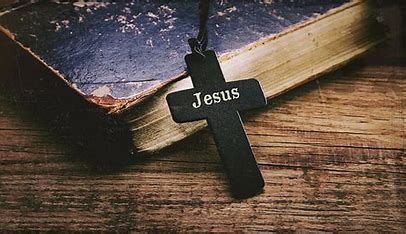
With this refreshing surge of power that flows from regular time in prayer, it is very strange then that we should be content with so little prayer. The weakest, most fearful individual can experience greater strength through the regular rhythm of prayer each day. As this passage of Scripture demonstrates, prayer each day for Jesus was as ordinary as enjoying a meal. Jesus prayed often. Jesus prayed for himself and for others. Jesus prayed when he faced a crisis, and Jesus prayed simply to be alone with God. Jesus urged his disciples to pray, and Jesus taught prayer by example. What the disciples discovered is that regular prayer did not only sustain Jesus’ ministry; it gave direction. Immediately after Jesus rose from prayer this particular morning, Jesus knew what he must do that day. He was not to return to the previous day’s work. Jesus was to head in the other direction. God had new work for him there.
Joy,
This meditation is from Dr. Doug Hood’s soon to be published book, “A Month of Prayer: Five Minute Meditations for a Deeper Experience of Prayer”.
 Nurture Faith with Dr. Doug Hood
One reply on “A Call to Prayer”
Thank you for this post. I found myself speechless and close to tears. I often feel alone and I yearn for the intimacy and closeness you described that can only come from a deep meaningful relationship with God. Without which we feel the most profound loneliness.
LikeLike